

A cold shower on a Minnesota morning is more than an inconvenience — it’s usually a sign your water heater is trying to tell you something. Whether you’re standing in a puddle near your unit or just wondering if your 12-year-old tank is on borrowed time, knowing the difference between a quick repair and a necessary replacement can save you hundreds of dollars and prevent serious water damage to your home.
At Beeline Plumbing, we get calls every week from Twin Cities homeowners facing the same question: repair it, or replace it? Our team handles water heater installation and repairs for every major tank and tankless brand, and here’s what our licensed plumbers want every homeowner to know.
How Long Does a Water Heater Actually Last? (Tank vs. Tankless)
Most traditional tank water heaters last 8 to 12 years, depending on water quality, maintenance history, and usage. Hard water, sediment buildup, and lack of regular flushing can shorten that lifespan significantly — a common issue in many Minnesota homes with mineral-heavy water supplies.
Tankless water heaters, by comparison, typically last 15 to 20 years with proper maintenance, since they don’t store standing water that accelerates internal corrosion. According to the U.S. Department of Energy, tankless units can also be significantly more energy efficient than tank models for typical households. However, tankless units still require regular descaling, especially in areas with hard water, to maintain efficiency and prevent early failure.
If you’re not sure how old your unit is, check the manufacture date on the manufacturer’s label near the top of the tank — the serial number usually encodes the production date.
7 Warning Signs Your Water Heater Is Failing
Don’t wait for a complete breakdown. Watch for these signs that your water heater needs professional attention:
- Age over 10 years (tank) — even if it’s still working, it’s on borrowed time.
- Rusty or discolored hot water — often a sign of internal tank corrosion.
- Popping or rumbling noises — usually caused by sediment buildup hardening at the bottom of the tank.
- Water pooling around the base — indicates a leak, which can mean a cracked tank.
- Inconsistent or lukewarm water — may point to a failing heating element or a unit that’s undersized for your household.
- Rising energy bills — an aging or inefficient unit works harder to heat the same amount of water.
- Rotten egg smell in hot water — can indicate bacteria growth inside the tank, which should be addressed immediately.
If you’re noticing more than one of these signs, it’s time to schedule a professional inspection before a small issue becomes a costly emergency.
Repair or Replace? How to Decide
Not every water heater problem means you need a full replacement. Here’s a general framework our plumbers use:
Repair is usually the right call when:
- The unit is under 8 years old
- The issue is isolated (a faulty thermostat, heating element, or valve)
- There’s no visible tank corrosion or leaking
Replacement is usually the smarter investment when:
- The tank itself is leaking (tanks can’t be patched)
- The unit is 10+ years old and showing multiple symptoms
- Repair costs approach 50% or more of a new unit’s cost
- You want to upgrade to a more efficient tankless system
A licensed plumber can give you an honest, upfront assessment — including real numbers for both options — so you’re never guessing or overpaying for a temporary fix.
What Causes Water Heaters to Wear Out Faster in Minnesota Homes
Minnesota’s water conditions and climate create unique stress on water heating systems:
- Hard water is common throughout the Twin Cities metro, leading to faster sediment and mineral buildup inside tanks.
- Cold incoming water temperatures in winter months force water heaters to work harder, increasing wear on heating elements and reducing overall efficiency.
- Well water households often see more mineral deposits and corrosion issues than those on municipal water, making regular flushing and water treatment especially important.
This is one reason many Beeline customers pair water heater service with a water softener installation or a broader water quality and conditioning assessment — reducing mineral buildup extends the life of the water heater, dishwasher, washing machine, and plumbing fixtures throughout the home.
The Cost of Waiting: Water Damage & Emergency Failures
A failing water heater rarely fails quietly. Tank ruptures can release 40-80 gallons of water in minutes, causing damage to flooring, drywall, and belongings — often in an unfinished basement or utility closet where it may go unnoticed for hours. According to the Insurance Information Institute, water damage and freezing are among the most common and costly homeowners insurance claims in the U.S.
Replacing a water heater proactively, based on age and warning signs, is almost always less expensive than dealing with emergency water damage remediation, insurance claims, and rushed same-day replacement.
Why Choose a Licensed Local Plumber for Water Heater Service
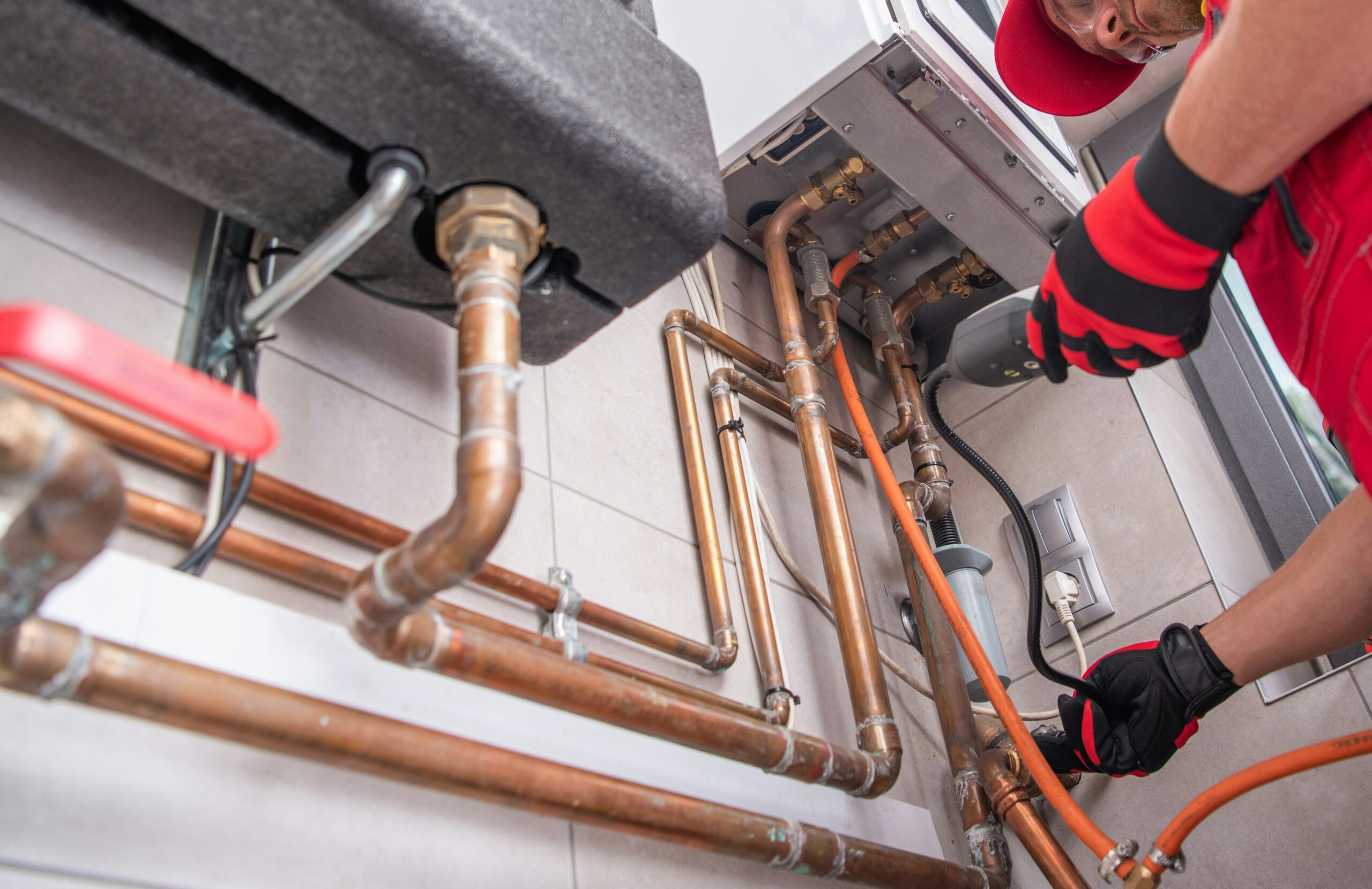
Water heater installation involves more than swapping units — it requires proper venting, gas line or electrical connections, code-compliant installation, and correct sizing for your household’s hot water demand. Beeline Plumbing’s licensed, Minnesota-based plumbers handle both tank and tankless installations for every major brand, with transparent, upfront pricing before any work begins — so you know exactly what to expect, with no surprise charges.
As a family-owned local business, we’re not interested in upselling you on a replacement you don’t need. If a repair will restore reliable performance, we’ll tell you. If replacement is the smarter long-term investment, we’ll walk you through your options honestly. Happy Hive Club members also receive priority scheduling and inspection perks that help catch water heater issues before they become emergencies.
Noticing signs your water heater is failing? Don’t wait for a leak to become a flood. Schedule your water heater inspection today
FAQ Section
How long do water heaters last in Minnesota homes?
Traditional tank water heaters typically last 8 to 12 years, while tankless units can last 15 to 20 years with regular maintenance. Hard water and well water conditions common in Minnesota can shorten these ranges without proper care.
Is it worth repairing a water heater over 10 years old?
Generally, no — once a tank unit passes the 10-year mark, the risk of sudden tank failure and leaking increases significantly, making replacement the more cost-effective and lower-risk choice.
How much does water heater replacement cost?
Costs vary based on unit type (tank vs. tankless), size, and installation complexity. Beeline Plumbing provides upfront, written pricing after a brief in-home assessment, so there are no surprises.
Can a water heater be repaired if it’s leaking from the tank?
No. A leaking tank means the internal lining has failed, and tanks cannot be patched or resealed. When water heaters are leaking from the tank, they require replacement.
Why does my hot water smell like rotten eggs?
This is typically caused by bacteria reacting with the anode rod inside the tank, especially common in homes with well water. A plumber can flush the tank, replace the anode rod, or recommend a water treatment solution.