
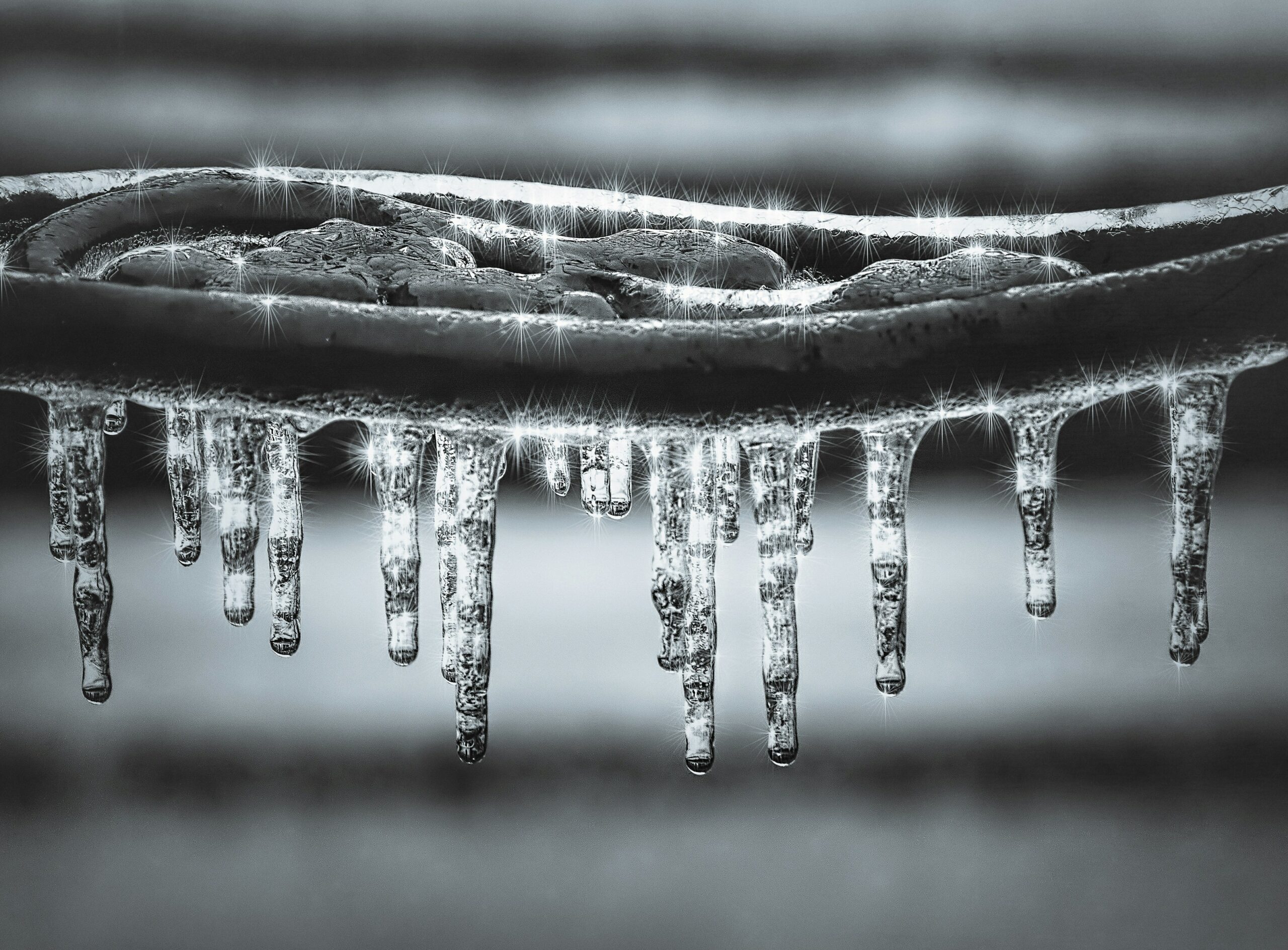

Every Minnesota winter, thousands of homeowners face the same costly problem: frozen — and sometimes burst — pipes. What starts as a few days of subzero temperatures can turn into thousands of dollars in water damage if pipes aren’t properly protected. The good news is that frozen pipes are almost entirely preventable with the right precautions taken before the deep freeze arrives.
At Beeline Plumbing, we help Twin Cities homeowners winterize their plumbing every year — and respond fast with emergency plumbing service when pipes do freeze. Here’s what you need to know to protect your home this season.
Why Minnesota Homes Are Especially Vulnerable to Frozen Pipes
Minnesota’s extreme winter temperatures put unique stress on home plumbing systems. When water inside a pipe freezes, it expands — and that expansion can crack or burst even sturdy metal or plastic piping. Homes with older construction, poor insulation, unheated spaces, or pipes running along exterior walls face significantly higher risk during cold snaps, especially when temperatures drop well below freezing for extended periods.
Which Pipes Are Most at Risk (and Why)
Not all pipes freeze equally. The highest-risk areas in most homes include:
- Pipes in unheated spaces — basements, attics, garages, and crawl spaces
- Pipes along exterior walls — especially in older homes with minimal insulation
- Pipes near outdoor spigots — hose bibs are common failure points if not properly winterized
- Pipes in vacant or seasonal homes — cabins and unoccupied properties where heat may be reduced or turned off entirely
If your home has pipes in any of these locations, they deserve extra attention before winter arrives.
7 Ways to Prevent Frozen Pipes This Winter
Taking these steps now — before the first hard freeze — can save you from a much bigger headache later:
- Insulate exposed pipes — foam pipe insulation sleeves are inexpensive and highly effective for pipes in unheated areas.
- Seal air leaks — gaps near pipe entry points, foundation cracks, and window/door frames let in cold air that accelerates freezing.
- Disconnect and drain outdoor hoses — then shut off and drain exterior spigots before temperatures drop.
- Keep cabinet doors open — allowing warm air to reach pipes under sinks along exterior walls during cold snaps.
- Maintain consistent indoor heat — even when away, keep your thermostat no lower than 55°F to protect plumbing.
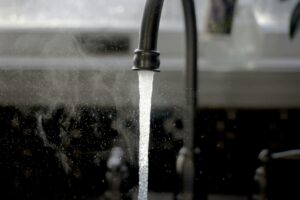
- Let faucets drip during extreme cold — a slow, steady drip relieves pressure buildup and reduces freezing risk in vulnerable pipes.
- Know your main water shutoff location — so you can act quickly if a pipe does freeze or burst.
What to Do If Your Pipes Already Froze
If you turn on a faucet and get little or no water flow during cold weather, you may have a frozen pipe. Here’s what to do:
- Keep the faucet open so water can flow through once the pipe thaws.
- Locate the frozen section, if possible — it’s often the coldest, most exposed section of pipe.
- Apply gentle heat using a hair dryer, heating pad, or towels soaked in warm water.
- Never leave heating devices unattended near pipes.
- If you can’t locate the frozen section or the pipe has already cracked, shut off your main water supply and call a licensed plumber immediately.
Never Do This: Dangerous Thawing Mistakes to Avoid
Some common “quick fixes” can actually make the situation worse or create serious safety hazards:
- Never use an open flame (blowtorch, propane torch) to thaw a pipe — this creates a serious fire hazard.
- Avoid overloading electrical heating devices or leaving them unattended near water.
- Don’t ignore a slow trickle — a partially frozen pipe can still burst as it continues thawing.
Signs a Frozen Pipe Has Already Burst
Watch for these warning signs, which indicate a pipe may have already cracked or burst:
- Water stains or bulging on ceilings or walls
- A sudden drop in water pressure throughout the home
- Unusual sounds like banging or gurgling in the pipes
- Water pooling near walls, floors, or the foundation
- A running sound when no fixtures are in use
If you notice any of these signs, shut off your main water supply immediately and call a plumber — a burst pipe left unaddressed can cause extensive water damage in a very short time.
How Beeline Plumbing Helps Winterize Your Home
Beeline’s licensed Minnesota plumbers offer pre-winter plumbing inspections to identify vulnerable pipes, insulation gaps, and outdoor spigot risks before the cold sets in. And if a pipe does freeze or burst, our emergency plumbing team is available to respond quickly and minimize damage to your home. Members of our Happy Hive Club receive seasonal reminders and priority scheduling for winterization checks, so protecting your home never falls through the cracks.
Don’t wait for the first hard freeze to find out your pipes aren’t protected. Schedule a winter plumbing check-up
FAQ Section
At what temperature do pipes freeze?
Pipes are at risk of freezing when temperatures drop to around 20°F or lower, especially in poorly insulated areas, though risk increases the longer temperatures stay below freezing.
What should I do if my pipes are already frozen?
Keep the affected faucet open, apply gentle heat to the pipe if you can locate it, and never use an open flame. If you can’t thaw it safely or suspect it has burst, shut off your main water supply and call a plumber.
How can I tell if a frozen pipe has burst?
Signs include reduced water pressure, water stains on walls or ceilings, unusual sounds in the plumbing, or visible water pooling. Any of these warrant immediately shutting off your water and calling a professional.
What temperature should I keep my house at when away in winter?
Keep your thermostat no lower than 55°F, even when traveling, to protect your plumbing system from freezing temperatures.
Is a burst pipe an emergency?
Yes. A burst pipe can release large amounts of water quickly and cause significant damage. Shut off your main water supply immediately and call a licensed plumber right away.