A slow drain rarely stays small. The sink takes a little longer to empty today. A few weeks later, you’re standing in a puddle. Most homeowners know the feeling, and most ask the same question: can I fix this myself, or do I need a plumber?
This guide shows you how to fix a slow drain safely. It also explains what causes clogs in Twin Cities homes and which warning signs mean you should stop and call for help. At Beeline Plumbing, our licensed team handles drain cleaning for homes and businesses across the Twin Cities Metro.
Why Drains Slow Down or Clog in the First Place
Every drain collects a little buildup over time. A clog forms when that buildup narrows the pipe enough to slow the flow. Most clogs start small and grow quietly.
Four culprits cause most of the trouble:
- Grease and food. Fat cools inside the pipe, coats the walls, and traps food scraps.
- Hair and soap scum. These bind together and form dense plugs in tub and shower drains.
- Wipes and paper products. “Flushable” wipes don’t break down the way toilet paper does.
- Mineral buildup. Hard water, common across Minnesota, leaves scale that narrows pipes over the years.
Older neighborhoods add one more risk. Mature trees send roots toward sewer lines, and roots slip into tiny cracks easily.
Common Causes by Location
Kitchen Sink
Grease, coffee grounds, and starchy foods like rice and pasta cause most kitchen clogs. Stringy vegetable peels tangle in the pipe, too. The Minnesota Pollution Control Agency advises you to put fats, oils, and grease in the trash instead of the drain. It also recommends wiping greasy pans with a paper towel before you wash them.
A garbage disposal doesn’t make grease or scraps disappear. Feed it small amounts at a time, and run cold water while it grinds. Keep bones, grease, and stringy or starchy foods out of it altogether.
Bathroom Sinks, Tubs, and Showers
Hair, soap scum, and toothpaste build up fast in bathroom drains. Cotton swabs and dental floss can catch on that buildup and make it worse. In toilets, too much paper or a wipe usually causes the blockage.
The Main Line
Your main sewer line carries all of your home’s wastewater. When it clogs, every fixture feels it. Roots, grease, and aging or damaged pipes cause most main line problems.
How to Fix a Slow Drain Safely Before You Call a Plumber
Before you start: If anyone has already poured chemical drain cleaner into the drain, don’t plunge it. Plunging can splash harsh liquid onto your skin and eyes. Skip the DIY steps below, keep people and pets away from the drain, and call a plumber. Tell the plumber which product was used and about how much, so they can work safely. If any splashes on skin or eyes, flush with water and follow the label’s first-aid directions.
If you haven’t used a chemical cleaner, start with the simplest fix. These steps work for most minor clogs:
- Remove the stopper or strainer. Clear any visible debris by hand, and wear gloves.
- Flush the drain with hot tap water to loosen grease. Skip boiling water, because it can soften PVC pipe and crack porcelain.
- Use a cup plunger. Cover the drain, block the overflow opening with a wet rag, and plunge firmly for 15 to 20 seconds.
- For tubs and showers, try a plastic drain-cleaning tool to pull out hair.
Stop after two or three tries. If the water still drains slowly, the clog may sit deeper than you can reach, or something else may be going on. A plumber can find out.
Skip the chemical drain cleaners, too. They rarely clear a stubborn clog, and they can damage some pipes. They also leave harsh liquid standing in the drain, which puts you and your plumber at risk.
Warning Signs It’s Time to Call a Plumber
Have a licensed plumber take a look if you notice any of these signs:
- Several fixtures drain slowly at the same time
- Gurgling sounds from drains or toilets when water runs elsewhere
- Water backing up into a tub, shower, or floor drain when you run the washer or flush a toilet
- A sewage smell near drains or in the basement
- A clog that returns within days or weeks
These signs don’t tell you exactly where the problem is. They do mean your plumbing needs a closer look. A sewer smell, for example, can come from a dry trap. Running water in a rarely used drain sometimes fixes that. Gurgling can point to a venting issue instead of a clog. Several slow fixtures, repeated clogs, or backups can signal a deeper clog. A plumber can sort out which one you have before the line backs up into your home.
Waiting costs more than most people expect. A backed-up line can send wastewater across a basement floor. That means damaged belongings, lingering odors, and a cleanup nobody wants. A quick service call usually costs far less.
Snaking vs. Hydro Jetting: What’s the Difference?
Plumbers use two common methods to clear stubborn drains.
A drain snake, also called an auger, is a flexible cable with a cutting or hooking head. It breaks through a clog or pulls it out. Snaking works well on hair, small blockages, and single-fixture clogs.
Hydro jetting sends high-pressure water through the pipe. It scrapes grease, scale, and roots off the pipe walls. It cleans the full pipe instead of punching a hole through one clog.
Which method fits your drain? A camera inspection shows what’s inside the line, so your plumber can recommend the right fix instead of guessing.
How to Prevent Future Clogs
Small habits keep drains clear. According to the EPA, as noted by the City of Columbia Heights, improper disposal of fats, oils, and grease is the most common cause of reported pipe blockages and sewer overflows. A few simple steps help you avoid that:
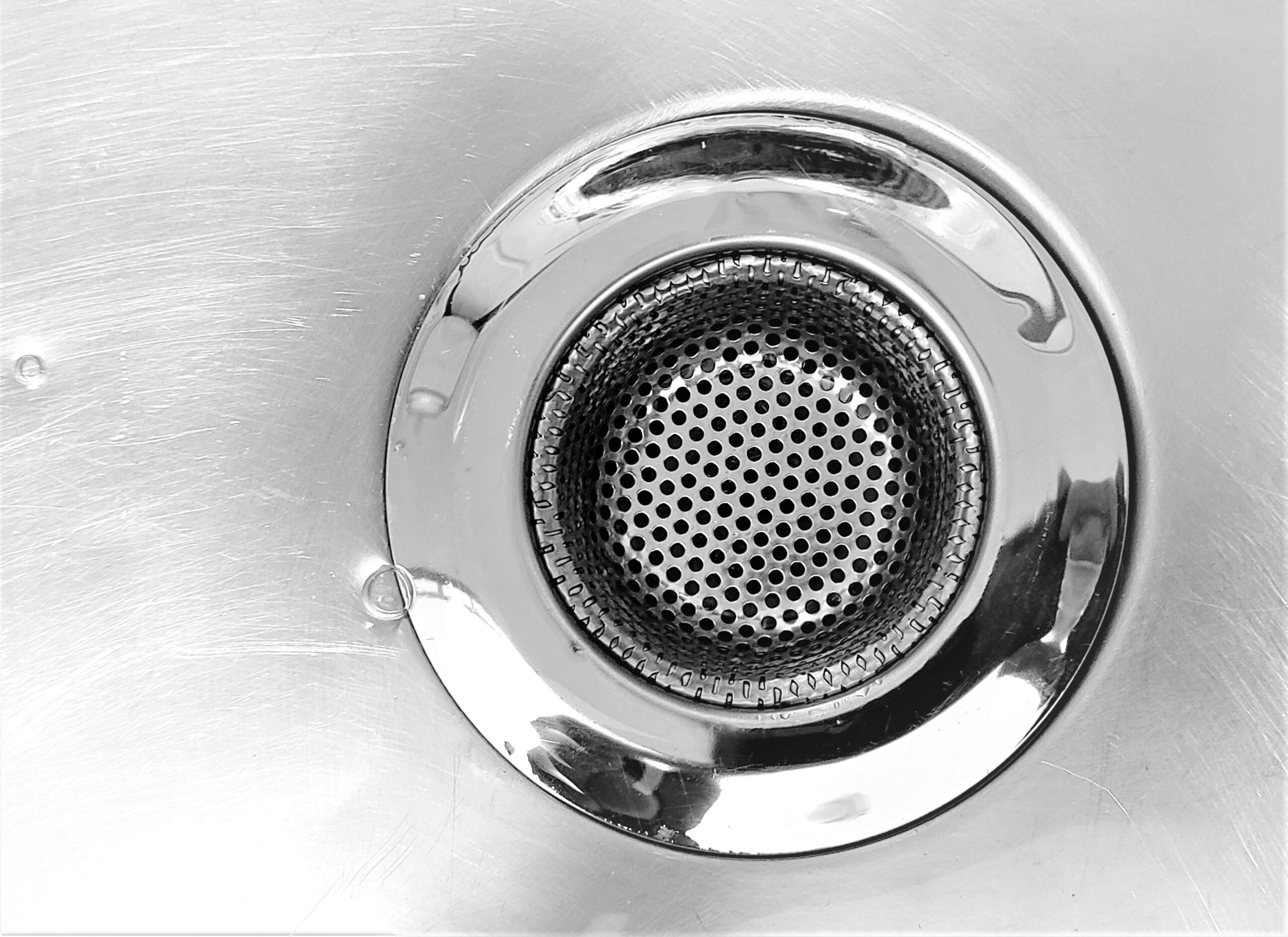
- Install mesh strainers in every sink, tub, and shower drain.
- Scrape plates and pans into the trash before washing.
- Toss wipes, cotton swabs, and floss in the trash, not the toilet.
- Run hot water through your kitchen drain after washing dishes.
- Keep new trees away from your sewer line.
If you have hard water, a water softener helps reduce scale buildup inside your pipes. Our Happy Hive Club members also get priority scheduling, which makes it easier to catch drain problems early.
Dealing with a drain that won’t stay clear? Schedule your drain cleaning service today
FAQ Section
Why is my kitchen sink draining slowly?
Grease, food scraps, and coffee grounds cause most slow kitchen drains. Fat coats the inside of the pipe and traps debris, which narrows the opening over time.
Are chemical drain cleaners safe to use?
We don’t recommend them. They rarely clear tough clogs, they can damage some pipes, and they leave harsh liquid behind that can injure you or your plumber.
How do I know if the clog is in my main line?
Multiple slow drains at once, gurgling toilets, or water backing up in a tub or floor drain can point to a main line problem. A single slow fixture more often has a local clog. Only a plumber can confirm the location, often with a camera inspection.
Can tree roots clog my drain?
Yes. Roots seek out moisture and slip into small cracks in sewer lines. Once inside, they grow and catch debris, which leads to repeated backups.
How often should I have my drains cleaned?
Most homes don’t need routine cleaning. If you have recurring clogs, older pipes, or mature trees near your sewer line, a yearly check helps you catch problems early.