Natural gas heats Minnesota homes through long winters. It also fuels water heaters, ranges, dryers, and fireplaces. Used correctly, it’s safe and reliable. A damaged or poorly installed gas line is a different story, and it can turn dangerous fast.
As temperatures drop, your furnace, fireplace, and water heater work harder. That makes now a smart time to review gas line safety. This guide covers gas leak warning signs and what to do if you smell gas. It also explains carbon monoxide safety and when to call a licensed plumber. At Beeline Plumbing, our team handles gas line installation and repair across the Twin Cities Metro.
Why Gas Line Work Is Never a DIY Job
Gas work leaves no room for guesswork. A small mistake in a fitting, a thread seal, or a pressure test can create a slow leak you can’t see.
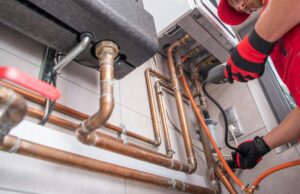
Licensed plumbers train to size lines for each appliance, choose approved materials, and test every connection. They also pull the required permits. DIY repairs skip those safeguards, and most local codes require permits and inspections for gas work.
4 Warning Signs of a Gas Leak in Your Home
Natural gas has no odor on its own. Utilities add a harmless chemical called mercaptan so you can smell a leak. Watch for these signs:
- A rotten egg or sulfur smell. Treat this smell as a leak until a professional says otherwise.
- A hissing or whistling sound near a gas line, meter, or appliance.
- Dead or discolored plants in an otherwise healthy area near an outdoor gas line.
- Bubbles in standing water or wet soil outside your home.
Don’t rely on smell alone. Some people can’t smell the odorant well, and the odor isn’t always strong enough to notice. If you hear hissing or see any other sign, treat it as a possible leak even when you smell nothing.
What to Do Immediately If You Smell Gas or Suspect a Leak
Act fast, and follow these steps in order. The Pipeline and Hazardous Materials Safety Administration offers more guidance on recognizing and responding to leaks.
- Stop what you’re doing and leave right away, on foot. Take everyone with you.
- Don’t flip a light switch, use a phone indoors, run a garage door opener, or start a vehicle. Any of these can create a spark.
- Once you reach a safe distance outside, call 911 and your gas utility’s emergency line.
- Warn your neighbors if you can do it safely.
- Stay out until the utility or fire department says it’s safe to go back in.
Don’t search for the source of the leak yourself. Never turn the gas back on after a shutoff, either. Once the utility makes the area safe, call a licensed plumber to find and fix the cause.
Carbon Monoxide and Appliance Safety
Carbon monoxide (CO) is a different hazard from a natural gas leak. You can’t see it or smell it. Gas appliances can produce CO when fuel burns incompletely, even when there is no gas leak and no gas smell.
If a CO alarm sounds or you suspect CO exposure, get everyone outside right away and call 911. Do this even if you don’t smell gas. Don’t stop to open windows or find the source, and stay out until emergency responders say it’s safe. Headaches, dizziness, nausea, and fatigue can signal CO exposure, especially when several people feel unwell at once or symptoms ease after you leave the house.
Some appliance warning signs call for a different response. Turn off the appliance if it’s safe to do so, and have a licensed professional inspect it if you notice any of these:
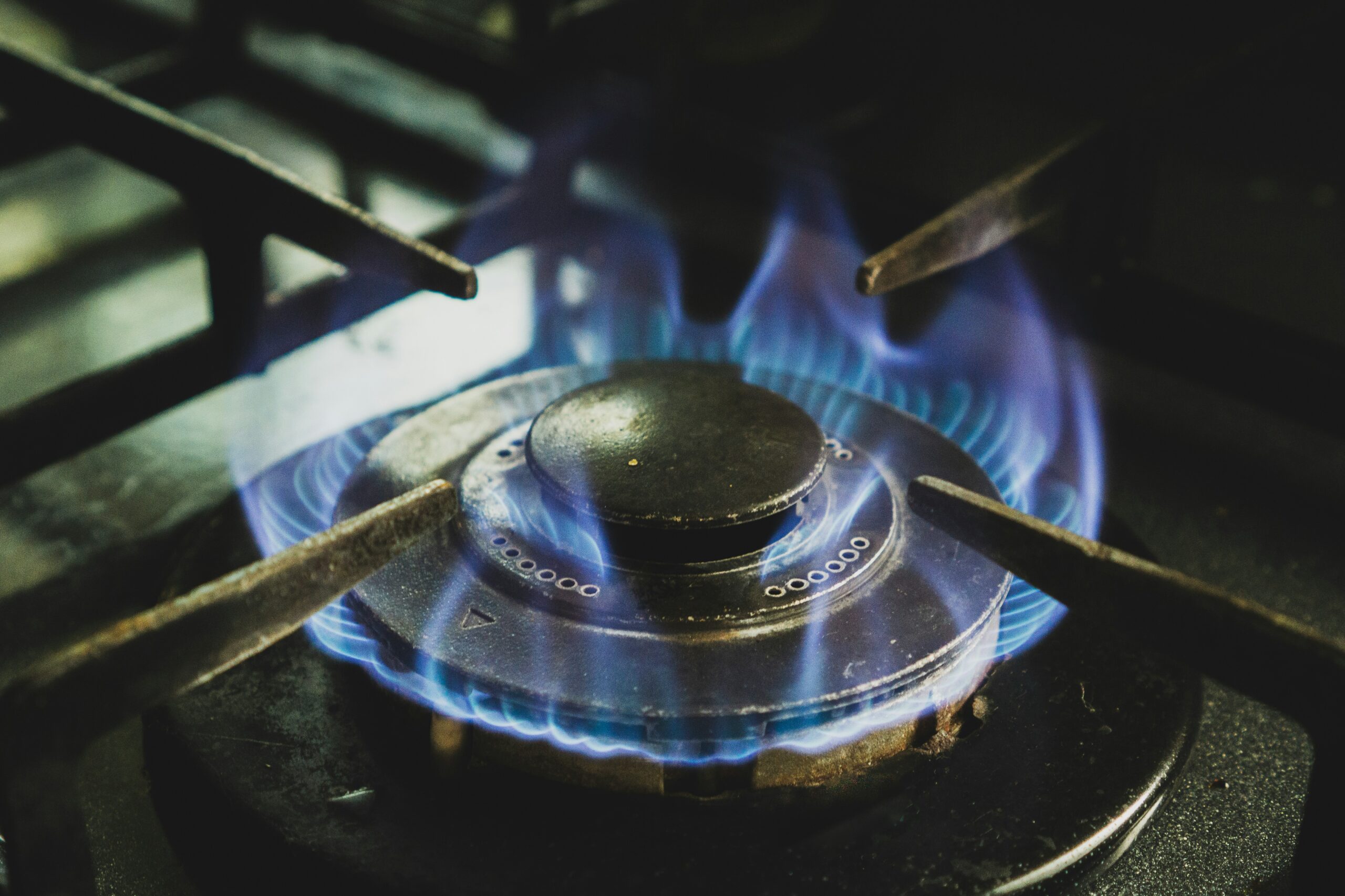
- A burner flame that burns yellow or orange instead of steady blue
- Soot or scorch marks around a furnace, water heater, fireplace, or range
- A pilot light that keeps going out
Install CO alarms on every level of your home and near sleeping areas. Test them monthly, and replace them on the schedule the manufacturer lists. Remember that CO alarms don’t detect natural gas leaks, and natural gas detectors don’t detect CO.
Common Reasons Homeowners Need Gas Line Service
Most gas line calls fall into a few categories:
- Connecting a new range, dryer, or water heater
- Adding a gas fireplace, fire pit, or outdoor grill line
- Running a line to a standby generator or other outdoor appliance
- Replacing worn or damaged flexible connectors
- Moving lines during a kitchen or basement remodel
- Repairing a leak after a smell or an inspection
How to Prepare Your Home Before Heating Season
A few simple habits make your home safer all winter:
- Learn where your gas meter and main shutoff sit, and make sure everyone in your home knows.
- Keep the area around gas appliances clear. Store paint, cleaners, and other flammables well away from them.
- Check that vents and exhaust pipes stay free of snow, leaves, and debris.
- Consider a natural gas detector. It’s a different device from a carbon monoxide alarm.
- Call 811 before any digging project, such as a new fence or deck, so crews can mark underground lines.
If you notice anything unusual, schedule an inspection instead of waiting for the next cold snap.
Adding a Gas Appliance or Fireplace: What to Know Before You Install
Planning a new gas range or fireplace this fall? Cover these basics first:
- Capacity. Your gas line must supply every appliance that runs at the same time. A plumber calculates the load before adding more.
- Permits and inspections. Most gas work requires both. A licensed plumber handles them for you.
- Venting. Many gas appliances need proper venting to move combustion gases outside.
- Shutoff valves. Each appliance should have its own accessible shutoff valve.
- Leak testing. A pressure test after installation confirms that every joint holds.
The same rules apply when you replace a gas water heater. A licensed plumber should inspect the gas connection during the swap. Our water heater installation and repairs team can help with both the unit and the connection.
Why Choose a Licensed Plumber for Gas Line Work
Beeline’s licensed Minnesota plumbers install and repair gas lines to code. We pressure test our work and explain every step in plain language. You get upfront pricing before work begins, with no surprises.
As a family-owned local company, we treat your home the way we’d treat our own. Happy Hive Club members also get priority scheduling, so you can book gas line checks before heating season starts.
Want peace of mind before the cold sets in? Schedule your gas line inspection today
FAQ Section
What does a natural gas leak smell like?
Most people describe it as rotten eggs or sulfur. Natural gas has no smell of its own, so utilities add an odorant called mercaptan. Don’t rely on smell alone, though. Some people can’t smell it well, so treat hissing sounds or other warning signs seriously even when you smell nothing.
Can a carbon monoxide detector detect a gas leak?
No. Carbon monoxide alarms detect carbon monoxide, not natural gas. If a CO alarm sounds or you suspect CO exposure, get outside and call 911, even if you don’t smell gas.
Should I shut off the gas myself if I smell it?
No. Leave the building right away, then call 911 and your gas utility from a safe distance. Don’t search for the leak or turn the gas back on yourself.
Do I need a permit to add a gas line?
Most gas line projects require a permit and an inspection. A licensed plumber pulls the permit and schedules the inspection, but check your local requirements.
How often should I inspect my gas lines?
No single schedule fits every home. Have a plumber inspect your gas lines when you add an appliance, finish a remodel, or notice any warning sign.